
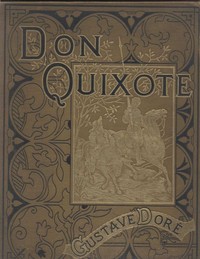
The History of Don Quixote, Volume 1, Part 18 by Miguel de Cervantes Saavedra
Alright, let's dive into what actually happens in this chunk of the epic. Don Quixote and Sancho, after many misadventures, are invited to the lavish castle of a Duke and Duchess. Sounds great, right? Wrong. These nobles have read the earlier accounts of our hero's exploits, and instead of offering kindness, they see a golden opportunity for entertainment. They welcome him with fake, over-the-top ceremony, treating him like a real knight-errant, but it's all an act.
The Story
The entire visit is one long, orchestrated joke at Don Quixote's expense. The Duke and Duchess stage absurd scenarios—like sending Sancho off to 'govern' a fictional island (which is really just their village), or concocting a magical quest involving a mythical creature. They enlist their entire household to play along, creating a world where Quixote's delusions seem to be confirmed. Sancho, desperate for his promised governorship, becomes a willing participant, even as the jokes often humiliate him. The plot is less about physical journeys and more about the psychological game being played. The 'story' here is the slow, painful realization that their hosts are not allies, but puppet-masters.
Why You Should Read It
This is where Cervantes stops just poking fun and starts asking real questions. The comedy gets a bitter edge. You laugh at the pranks, but then you feel a pang of guilt for laughing. Don Quixote's unwavering belief in his code, even in the face of this manipulation, starts to look less like madness and more like a strange kind of integrity. In contrast, the 'sane' Duke and Duchess, with all their power and wealth, are revealed as shallow and cruel. Sancho's subplot is equally brilliant—his simple desire for a better life is used against him, and his earthy wisdom often cuts through the nonsense better than anyone else's logic. It’s a masterclass in how to use humor to expose the darkness in human nature.
Final Verdict
This part is perfect for anyone who loves character-driven stories where the heroes are deeply flawed and the villains wear smiles. If you enjoy books that make you question who you're rooting for and why, this is a brilliant section. It's also great for readers who think classics are stuffy—Cervantes' humor is surprisingly modern and sharp. Fair warning: it might frustrate you to see the characters manipulated, but that's the point. You'll come away thinking less about knights and more about kindness, cruelty, and the stories we tell to make sense of the world.
The copyright for this book has expired, making it public property. Distribute this work to help spread literacy.
Richard Smith
3 months agoThe balance between academic rigor and readability is perfect.
Thomas Hernandez
2 years agoThe fonts used are very comfortable for long reading sessions.
Patricia Gonzalez
1 year agoIf you enjoy this genre, the plot twists are genuinely surprising. Exactly what I needed.
Emma Brown
2 months agoWow.






Ashley Garcia
7 months agoHaving explored several resources on this, I find that the step-by-step breakdown of the methodology is extremely helpful for students. Top-tier content that deserves more recognition.